Buffer Notion Integration
Sync Buffer with Notion automatically - channels, posts, and organizations always up to date, no coding needed.
Free to start. No credit card required.
Trusted worldwide
500+ teams stopped copying data manually.
Yours can too.














The Buffer Notion integration lets you pull live social media data directly from your Buffer account into Notion using Note API Connector. Whether you are archiving sent posts, tracking your scheduled content calendar, monitoring which social channels are connected, or organizing content ideas, this integration keeps your Notion databases in sync with Buffer automatically.
With Note API Connector you can sync Buffer with Notion on a fully automated schedule (hourly, daily, or at custom intervals) without writing a single line of code. Connect your Buffer account using a personal API key, choose a Notion database, map the fields visually, and your Buffer data flows into Notion on autopilot from that point forward.
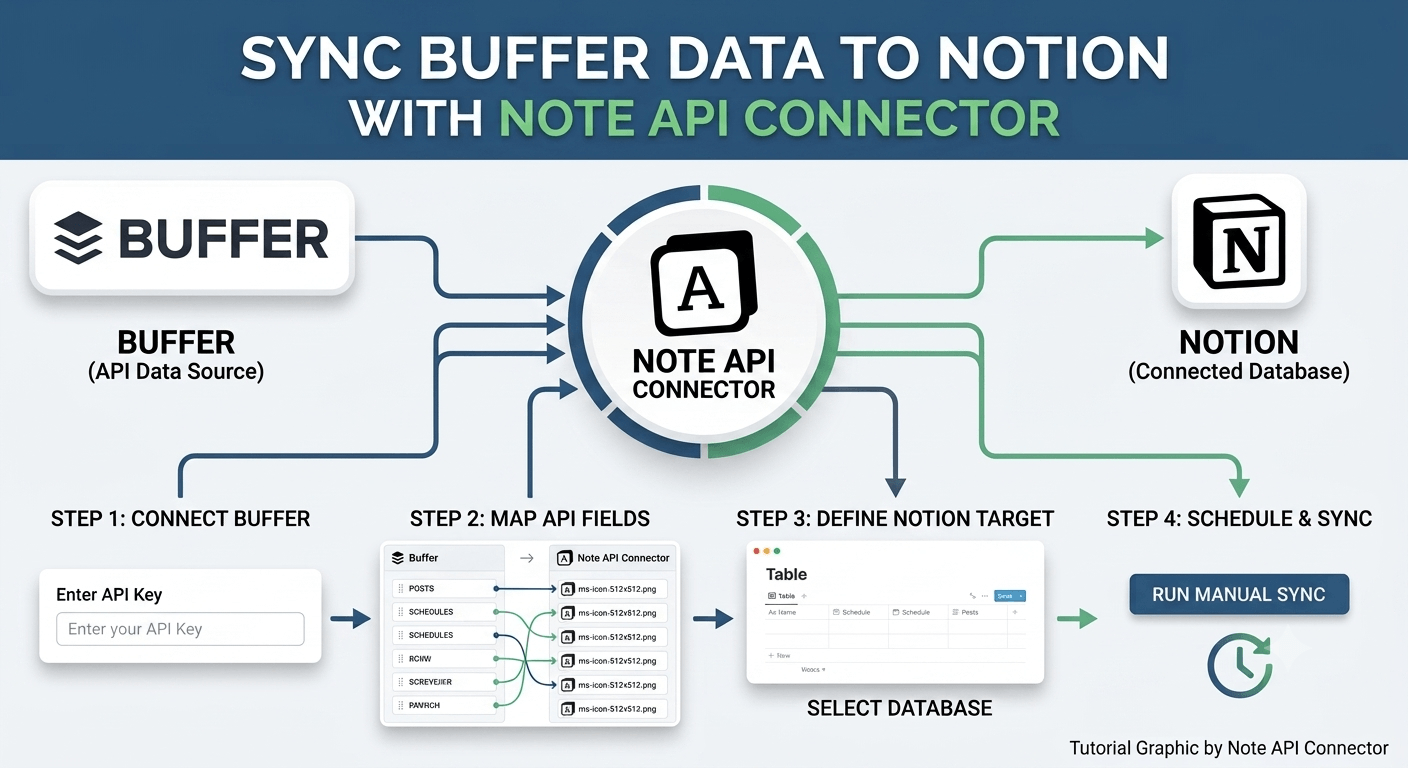
How to connect Buffer to Notion
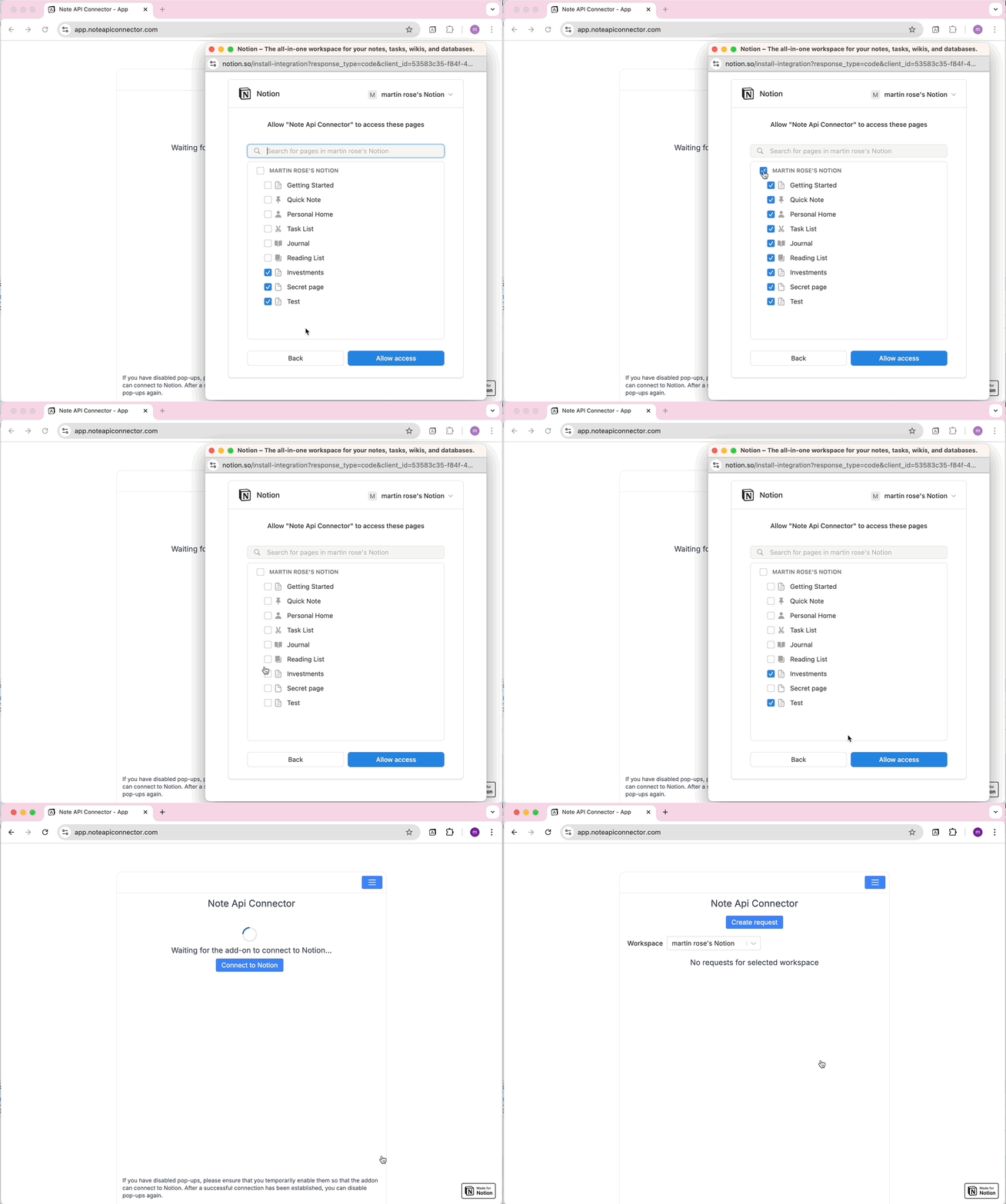
Connect your Notion workspace
Click Connect to Notion, authorize Note API Connector, and select the pages and workspace where your Buffer data should appear.
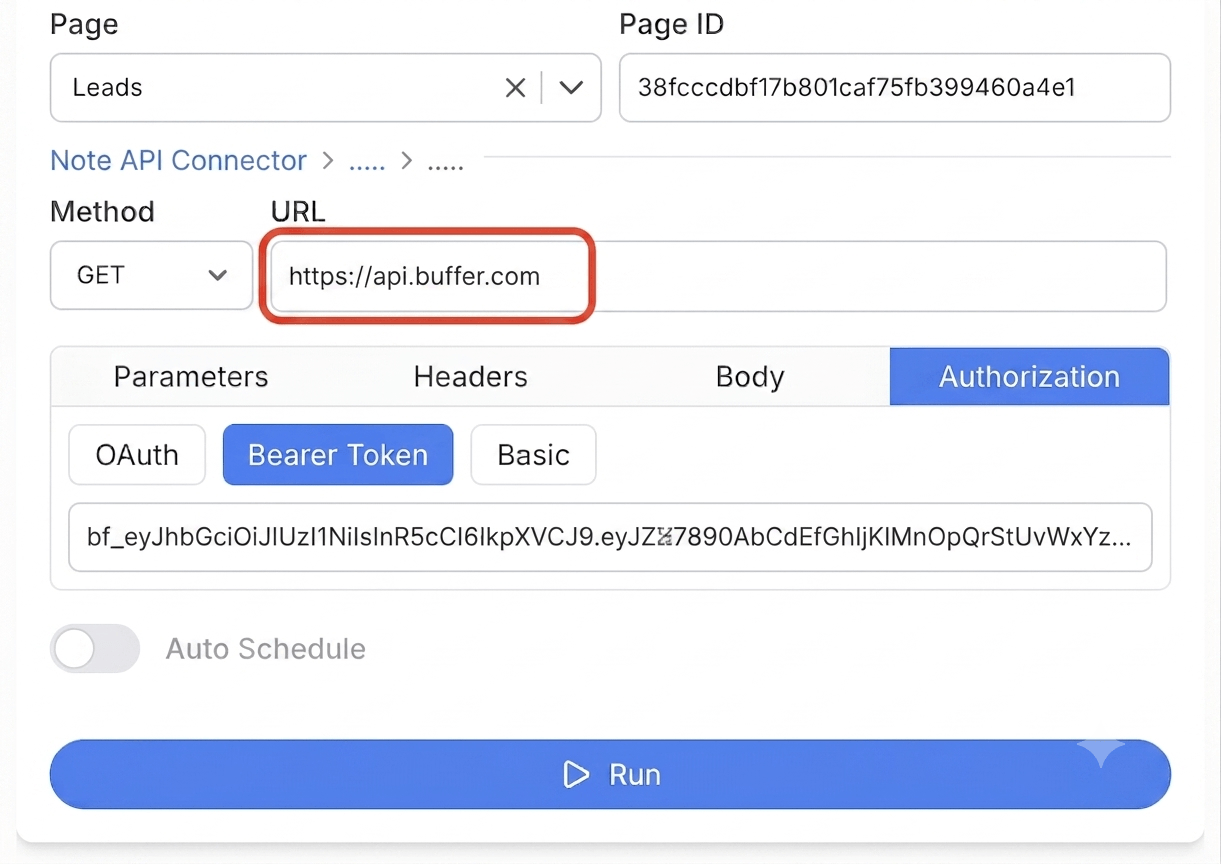
Get your Buffer API key and connect via Bearer Token
In Buffer, go to Settings > API and create a new personal API key. Buffer's modern API also supports full OAuth 2, but it requires PKCE for every client, so the personal API key is the simpler and more reliable way to connect your own account. In Note API Connector, click Create Request and paste https://api.buffer.com as the endpoint URL. Open the Authorization tab, select Bearer Token, and paste your Buffer API key. Open the Headers tab and add the header Content-Type with value application/json. Buffer uses a GraphQL API, so add your query in the request body - use the Body tab to paste a query such as {"query": "{ account { organizations { id name } } }"}. Give the request a name and click Run.
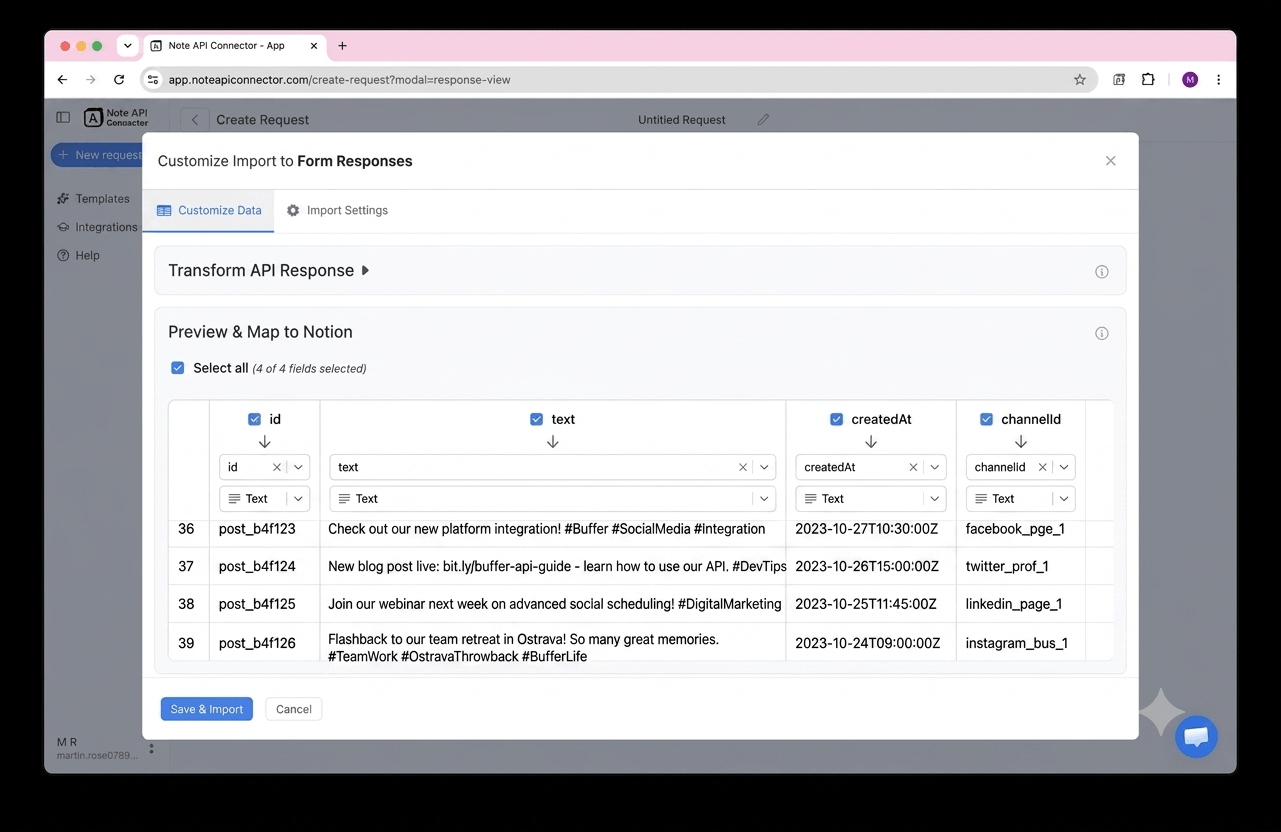
Choose your data and map fields
In the Response Field Mapping screen, select which Buffer fields to include - such as channel name, service, post text, due date, or status - and map each one to a Notion property. You can match existing properties, create new ones, or set the field type. Click Save & Import when you're done.
Set your sync schedule and go live
Enable Auto Schedule and choose your refresh interval. Your Buffer data will sync with Notion automatically from that point forward, with no manual refreshes needed.
⏱ Hourly / Daily / Custom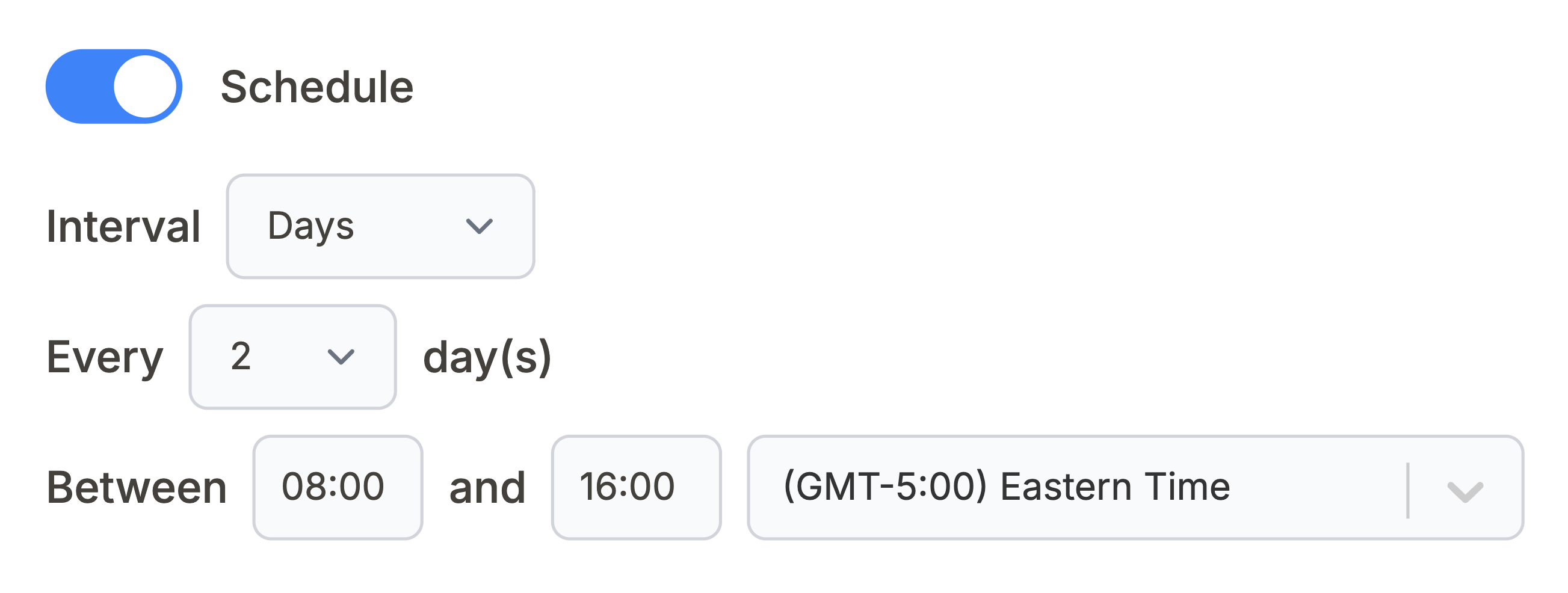
What Buffer data can you sync with Notion?
Buffer uses a GraphQL API. Unlike REST APIs where each resource has its own URL, all Buffer queries go to the same endpoint as a POST request - the data you receive depends on the GraphQL query you send in the request body. Copy the endpoint URL once, then swap the body for each data type you want to sync into Notion.
https://api.buffer.com
Your Buffer organizations with their IDs and names. Run this query first to get the organizationId needed by every other query on this page.
{"query":"query GetOrganizations { account { organizations { id name } } }"}All connected social channels (profiles) with name and service (X, Instagram, LinkedIn, and more). Build a directory of your connected accounts inside Notion.
{"query":"query GetChannels { channels(input: { organizationId: \"YOUR_ORGANIZATION_ID\" }) { id name service } }"}Posts that have already been published, with text, creation date, and channel. Archive your published content history inside Notion.
{"query":"query GetSentPosts { posts(input: { organizationId: \"YOUR_ORGANIZATION_ID\", filter: { status: sent } }) { edges { node { id text createdAt channelId } } } }"}Posts queued for future publication, with text and due date. Build a content calendar view of upcoming posts inside Notion.
{"query":"query GetScheduledPosts { posts(input: { organizationId: \"YOUR_ORGANIZATION_ID\", filter: { status: [scheduled] } }) { edges { node { id text dueAt channelId } } } }"}See how it works
Why sync Buffer with Notion?
Always up to date
Scheduled sync runs automatically. Your Notion database reflects live Buffer data without any manual work.
No coding required
Point, click, and map fields. Connect Buffer to Notion in minutes without any programming knowledge.
Custom schedule
Choose hourly, daily, or custom intervals. You control exactly when Notion pulls fresh data from Buffer.
Conclusion
With Note API Connector, setting up a complete Buffer Notion integration takes minutes, not days. Your channels, posts, and organization data sync automatically into Notion on your chosen schedule, with no code and no manual copy-paste.
Whether you are building a content calendar for your team, archiving published posts for reporting, tracking which social channels are active, or giving stakeholders a read-only view of your social media activity in Notion, connecting Buffer to Notion gives you the flexibility of Notion's interface with the real-time accuracy of Buffer's data.
Frequently Asked Questions
Yes. Buffer provides a GraphQL API that exposes organizations, channels, posts, and ideas. Note API Connector connects to this API using a personal API key (Bearer Token) to pull your Buffer data into Notion on a scheduled basis.
Not for your own account. Buffer supports full OAuth 2, but it requires PKCE for every client, including confidential server-side apps. For syncing data from your own Buffer account, a personal API key from Settings > API is simpler and works reliably as a Bearer Token in Note API Connector, with no OAuth app registration needed.
In Buffer, go to Settings > API and create a personal API key. In Note API Connector, connect your Notion workspace, click Create Request, paste https://api.buffer.com as the endpoint URL, open the Authorization tab, select Bearer Token, and paste your API key. Add a Content-Type: application/json header, then add your GraphQL query in the Body tab. Map the response fields to Notion properties and enable Auto Schedule.
Buffer moved to GraphQL so you can request exactly the fields you need in a single query, avoiding over-fetching. All Buffer API requests go to the same URL (https://api.buffer.com) but return different data depending on the GraphQL query you send in the request body. The examples on this page show the exact queries to use for each data type.
Run the Organizations query ({ account { organizations { id name } } }) in Note API Connector first. The response lists your organizations with their IDs. Copy the ID and use it to replace YOUR_ORGANIZATION_ID in the Channels or Posts queries.
You can sync organizations, connected channels, sent posts, and scheduled posts. Each Buffer query result can be mapped to a separate Notion database, so you can build a full content calendar and channel directory inside Notion.
No. Note API Connector is a no-code tool. You paste the Buffer API URL, add your Bearer Token, copy a GraphQL query from this page into the Body field, select your Notion database, and map fields visually. No programming knowledge is needed.
Yes. Note API Connector connects to Buffer using your personal API key for read-only data access. Note API Connector never writes or modifies any data in your Buffer account.